Chicago Gyros Meet Pakistani Street Food in Houston
By Mr. Haleem · 2026-06-15 · 4 min read
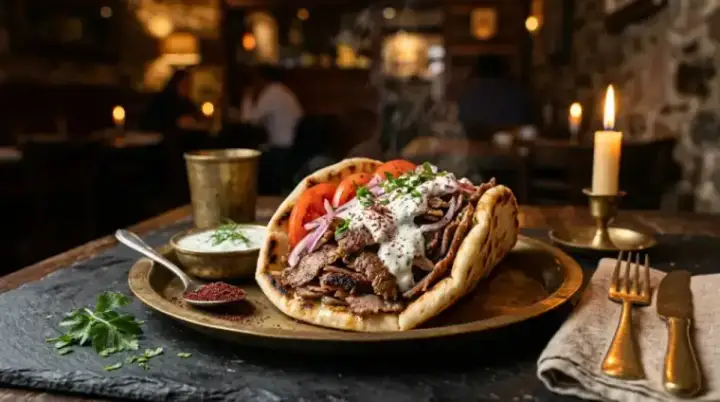
The Chicago halal gyro—spiced chicken-beef with garlicky sauce—is a Pakistani-American invention now thriving in Houston at Mr. Haleem.
The Gyro Nobody Expected
Walk down Devon Avenue in Chicago on a Friday night and you'll see something that would puzzle a street vendor in Athens: a vertical spit loaded with chicken and beef, basted in a marinade that smells less like oregano and more like garam masala, folded into pita with a snow-white sauce that isn't tzatziki.
This is the Chicago-style halal gyro, and it has almost nothing to do with the lamb-only, yogurt-dill original. It's a Pakistani-American invention, born in the late '80s when South Asian restaurateurs on Devon needed something quick, handheld, and halal for the post-mosque crowd. They swapped lamb for chicken and beef, ditched the pork, amped up the spice, and traded tzatziki for a tangy, garlicky gyro sauce that clings to the meat like a second skin.
It worked. Within a decade, the Chicago gyro became as synonymous with Pakistani street food in America as samosas and chaat.
Greek vs. Pakistani-American: What Changed?
Traditional Greek Gyro
- Meat: Lamb (sometimes pork in Greece), sliced thin from a vertical rotisserie
- Marinade: Olive oil, oregano, lemon, garlic—bright, herbal
- Sauce: Tzatziki (yogurt, cucumber, dill)
- Bread: Warm pita, lightly oiled
- Toppings: Tomato, onion, sometimes feta
Chicago-Pakistani Gyro
- Meat: Chicken and beef, layered on the same cone
- Marinade: Ginger-garlic paste, cumin, coriander, chili—warmer, deeper
- Sauce: Gyro sauce (mayo base, garlic, vinegar, sometimes a whisper of lemon)
- Bread: Thicker pita or naan-style wrap
- Toppings: Iceberg lettuce, tomato, onion, pickled peppers, hot sauce on request
The Chicago version is bolder, spicier, and designed to soak up flavor the way a good karahi does. It's street food engineered for the desi palate—quick, satisfying, and unapologetically fusion.
How the Gyro Came to Houston
For years, Houstonians craved what Chicagoans took for granted. The city had plenty of shawarma shops and taco trucks, but the Chicago gyro—with its unmistakable combo of spiced chicken-beef and that creamy, garlicky drizzle—was harder to find.
Then Pakistani-American restaurateurs who'd grown up on Devon Avenue or visited family there began introducing the format here. Some opened dedicated gyro counters. Others, like Mr. Haleem, folded it into a menu already steeped in Karachi tradition—slow-cooked Beef Haleem, hand-rolled beef samosas, and crispy Karachi Chicken Broast.
The fit was natural. If haleem is the dish you plan dinner around, the gyro is what you grab when you're running between errands and need something fast, hot, and halal.
Mr. Haleem's Take: Three Ways to Order
At Mr. Haleem, the Chicago-style gyro arrives in three formats, each built around that signature chicken-and-beef cone:
Chicago-Style Halal Gyro · Single Wrap — $13.99
The quick lunch. Spiced meat, lettuce, tomato, onion, gyro sauce, wrapped tight in warm pita. Grab it and go.
Chicago-Style Gyro Combo Plate — $16.99
The plate adds fries (or upgrade to our masala fries for a dollar more), a side salad, and extra sauce. It's the version you eat with a fork when you want to stretch the meal.
Chicago Gyro Family Pack · 4 Wraps — $48.99
Four full wraps, individually wrapped, ready to feed a table. Perfect for game night, post-iftar hunger, or when the cousins show up unannounced.
Why It Works in Houston
Houston's food scene thrives on these kinds of crossovers—Vietnamese crawfish, Indian-Chinese hakka, Mexican-Korean tacos. The Chicago gyro fits right in: it's halal, it's handheld, it's got enough spice to make you reach for a soda, and it pairs as easily with a side of fries as it does with a bowl of what haleem is all about.
It's also a bridge food. If you grew up eating shawarma in Karachi or kabab rolls in Lahore, the Chicago gyro feels familiar but not repetitive. If you're new to Pakistani flavors, it's an easy gateway—less intimidating than a full degh of haleem, but with enough character to make you curious.
The Gyro Is Here to Stay
The Chicago-style gyro isn't trying to replace the Greek original. It's doing its own thing—louder, spicier, built for a different crowd and a different moment. It's proof that immigrant foodways don't just preserve tradition; they remix it, adapt it, and sometimes create something better suited to the place they land.
In Houston, that place is a city where halal street food and Karachi home cooking share the same kitchen. And if you want both under one roof—best haleem in Houston and a Chicago gyro that tastes like Devon Avenue—you know where to go.
Browse the menu → · Catering trays → · More from the Mr. Haleem blog →